
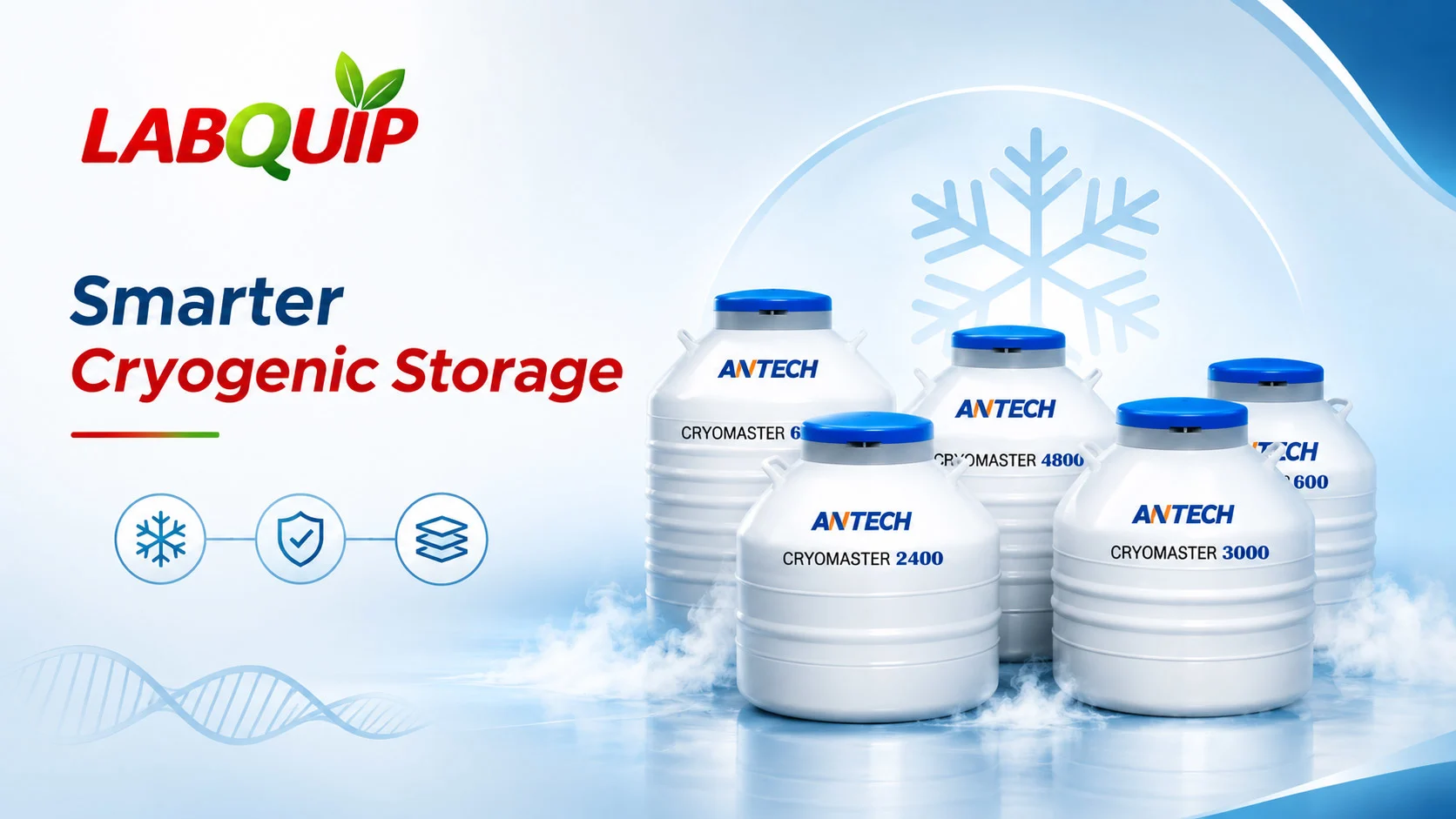
What a New Cryogenic Storage Study Means for Liquid Nitrogen Container Selection
A liquid nitrogen container may appear to be functioning normally even when its insulation performance begins to deteriorate. For laboratories storing sensitive biological samples, identifying such changes early is important.
A study published in the Journal of Assisted Reproduction and Genetics investigated a liquid nitrogen storage dewar under controlled vacuum-failure conditions. Researchers observed changes associated with nitrogen loss and external temperature before conventional internal temperature alarms reached their predefined thresholds. The findings highlight the importance of evaluating cryogenic storage performance beyond temperature readings alone.
Why Vacuum Insulation Matters
Liquid nitrogen boils at approximately −196°C under atmospheric pressure. Cryogenic containers use insulation to reduce heat transfer and limit nitrogen evaporation.
When vacuum insulation deteriorates, nitrogen consumption may increase, potentially affecting storage performance. The study examined a specific dewar under controlled conditions, so its findings should not be assumed to apply identically to every container.
For laboratories, monitoring nitrogen consumption alongside temperature can provide additional information about equipment performance.
What to Check Before Buying a Liquid Nitrogen Container
When comparing liquid nitrogen containers, laboratories should consider three key factors:
- Evaporation rate and holding time: These specifications help estimate nitrogen replenishment requirements under stated test conditions.
- Storage capacity and configuration: Usable capacity should match the number of samples, vial sizes and required racks or canisters.
- Monitoring and maintenance: Check whether nitrogen-level or temperature monitoring is included, and understand the inspection requirements for the selected model.
The intended application also matters. Cryocans and Dewars may suit static storage requirements, while appropriate dry shippers are designed for transporting biological samples under specified conditions.
Liquid Nitrogen Storage Solutions from Labquip Asia
Selecting cryogenic equipment requires matching the container’s specifications to the laboratory’s storage and handling requirements.
Labquip Asia supplies liquid nitrogen containers, Cryocans, Dewar vessels and dry shippers for different laboratory applications. Available capacities and features depend on the selected model.
Contact Labquip Asia to discuss your requirements and find a suitable liquid nitrogen container for your laboratory.
Frequently Asked Questions
- Why is vacuum insulation important?
It reduces heat transfer into the container, helping limit nitrogen evaporation.
- Can temperature monitoring detect every equipment fault?
No. Additional indicators, such as changes in nitrogen consumption, may provide useful information.
- What does the evaporation rate indicate?
It measures nitrogen loss over a specified period under defined test conditions.
- What is the difference between a Cryocan and a dry shipper?
Cryocans are commonly used for static storage, while dry shippers are designed for suitable sample transportation applications.
- What should I check before purchasing a liquid nitrogen container?
Review capacity, evaporation rate, holding time, monitoring features and intended use.